Freshworks · 2024
Building an integrated campaign engine that generated $60M in pipeline
Designing and running a year-long campaign system that connected category demand, buyer readiness, channel economics and sales follow-through.
Campaign strategy · Media · Demand generation · Revenue
01
The business tension
Integrated campaigns had to create category demand, capture active intent and support multiple products, regions and sales motions at once. The risk was familiar: optimizing for inexpensive lead volume while the commercial system needed qualified conversations and pipeline.
A successful annual program had to connect buyer need, campaign theme, channel economics, lifecycle movement and sales follow-through, while learning quarter by quarter.
02
What I saw
Funnel performance showed that volume was not the same as readiness. Channels that produced large numbers of contacts did not always produce proportionate opportunity creation, while webinars, search and partner programs played distinct roles in education, intent capture and conversion.
The growth constraint was not a single underperforming channel. It was the quality of the journey and the handoff between marketing engagement and sales action.
03
The strategic choice
I treated integrated marketing as an operating system, not an annual media plan. Durable campaign ideas supplied a memorable story, while every theme was connected to proof, buyer readiness and a specific conversion path.
Each channel received a role across demand creation, capture, nurture and acceleration rather than being evaluated as an isolated lead source. That meant combining publisher thought leadership, analyst content, localized paid media, vertical ABM, webinars, lifecycle and sales follow-through inside one journey.
04
The operating model
Funnel conversion, channel economics, buyer needs and field feedback.
Campaign themes that could hold category education, product proof and customer stories.
Paid, webinars, lifecycle, field, partner and ABM programs sequenced by readiness.
Quarterly planning, sales interlocks and measurement across opportunity, pipeline, conversion and velocity.
05
Activation
- Created demand through HBR Analytic Services thought leadership, CIO.com and VentureBeat programs, executive interview series, analyst reports and category-level creative.
- Captured intent through paid search and paid social, publisher syndication, content partnerships and conversion offers; then moved buyers toward webinars, demos, trials and seller conversations.
- Built vertical ABM plays such as the manufacturing cohort, localized global programs including German-language assets, and packaged the system for consistent deployment by field and partner teams.
Selected evidence
The work in market
Thought leadership content
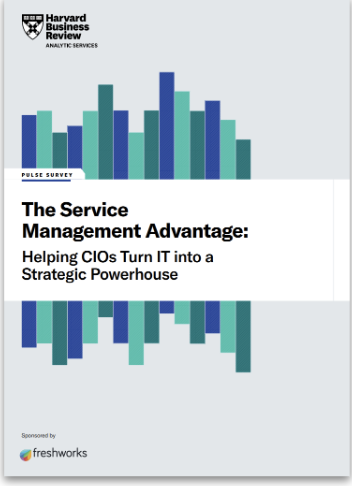
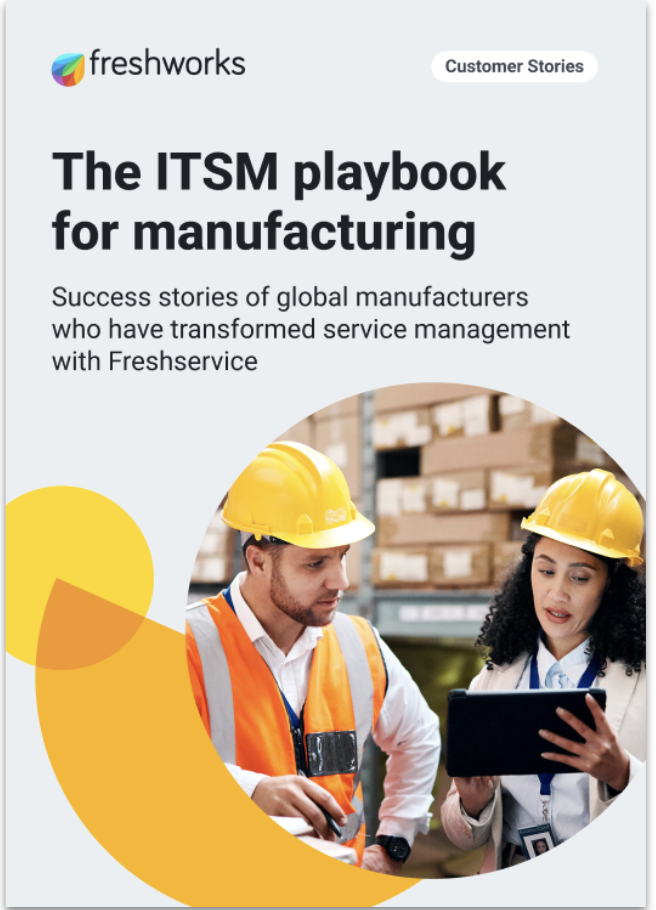
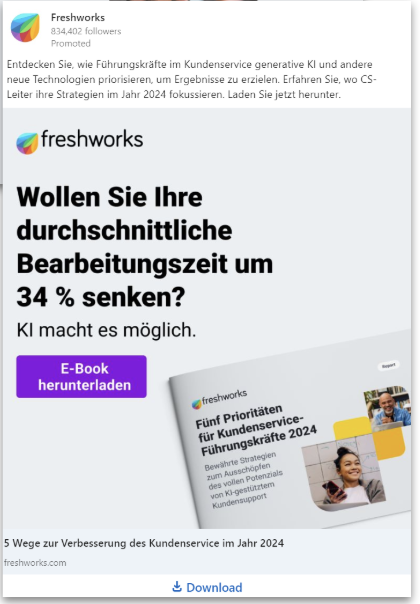
Executive research, vertical proof and localized buyer education built category authority across audiences and markets.
Executive interview series
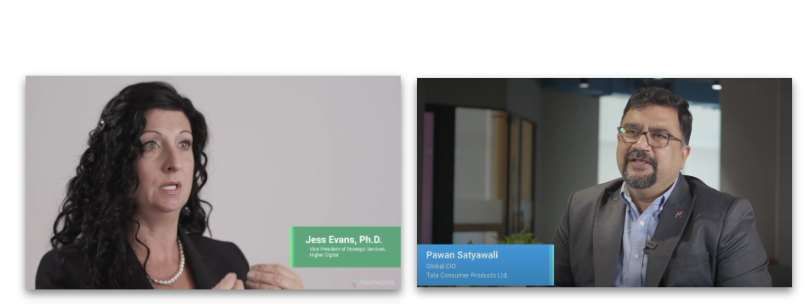
Practitioner voices gave the campaign an operator-level view of modern IT priorities.
Publisher partnerships
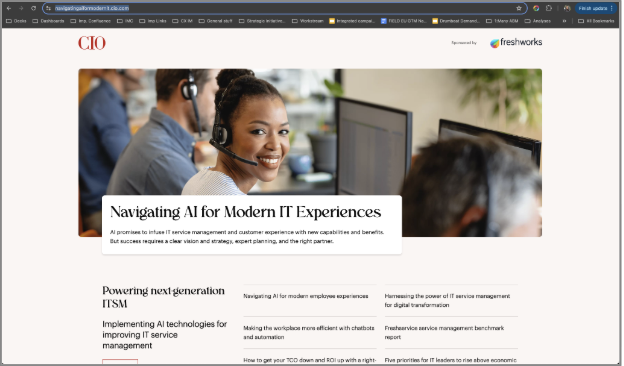
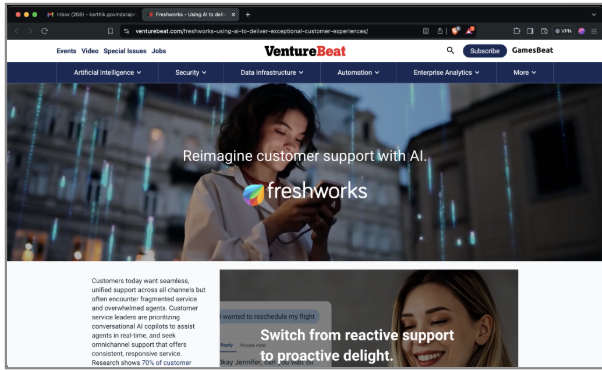
CIO.com and VentureBeat extended the campaign story through high-trust editorial environments.
Paid digital activation
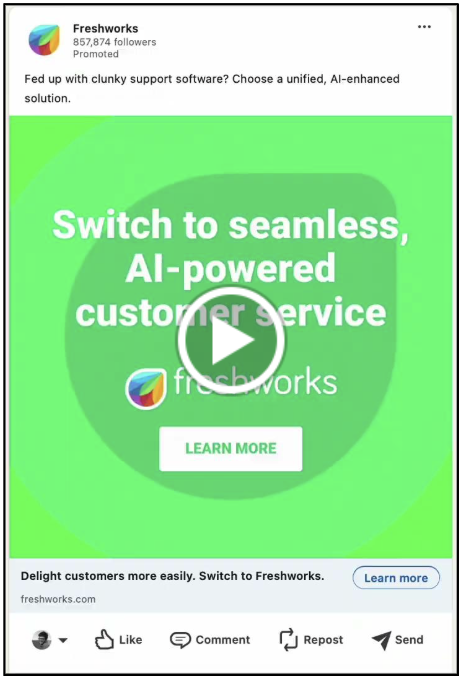

LinkedIn paid social and high-intent search connected category demand to practical conversion offers.
06
Commercial movement
The integrated marketing program generated $60M in pipeline across the year on an annual budget of ~$10M.
More importantly, the system made performance diagnostic: quarterly evidence changed the next quarter’s program mix, qualification mechanics and sales interlock.
07
Reflection
The job of integrated marketing is not to make every channel look efficient. It is to assign each channel a role, connect brand and proof to buyer readiness, and build enough instrumentation to know where the commercial system is leaking.